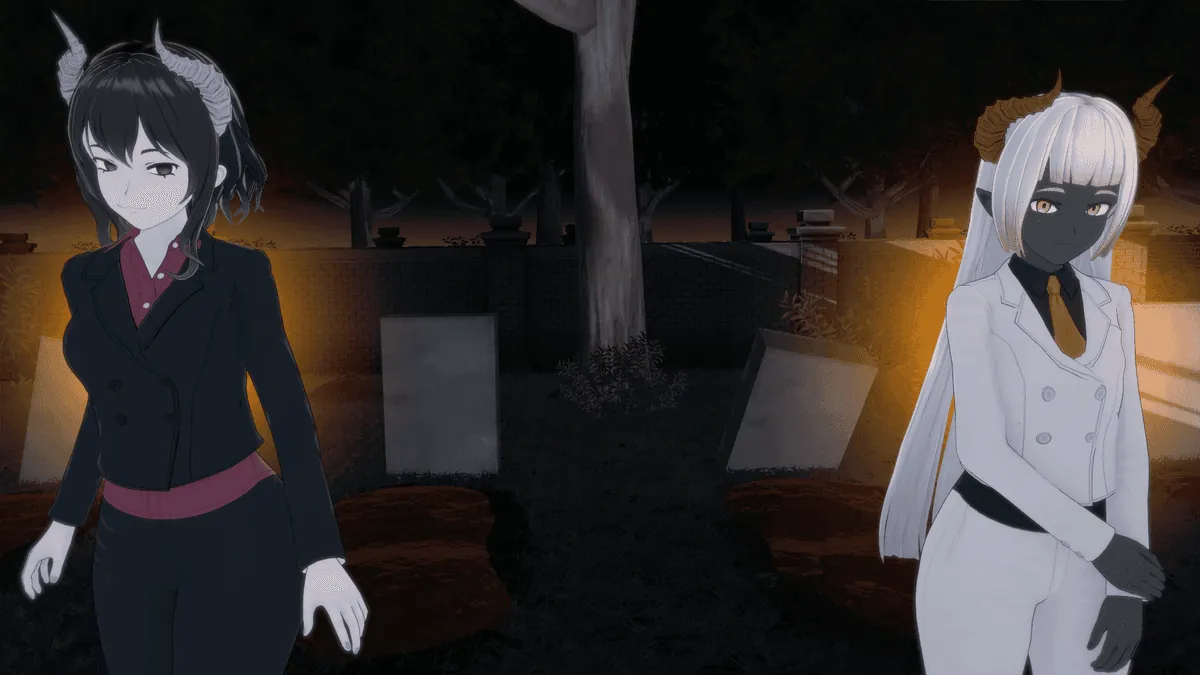
Demons of the Hearth
Play Demons of the Hearth
Demons of the Hearth Screenshots
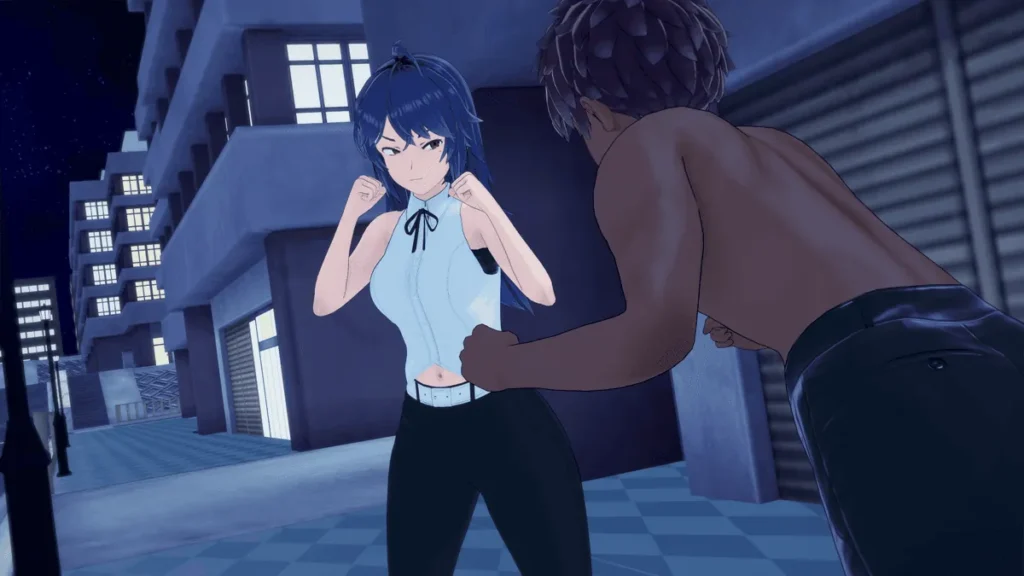
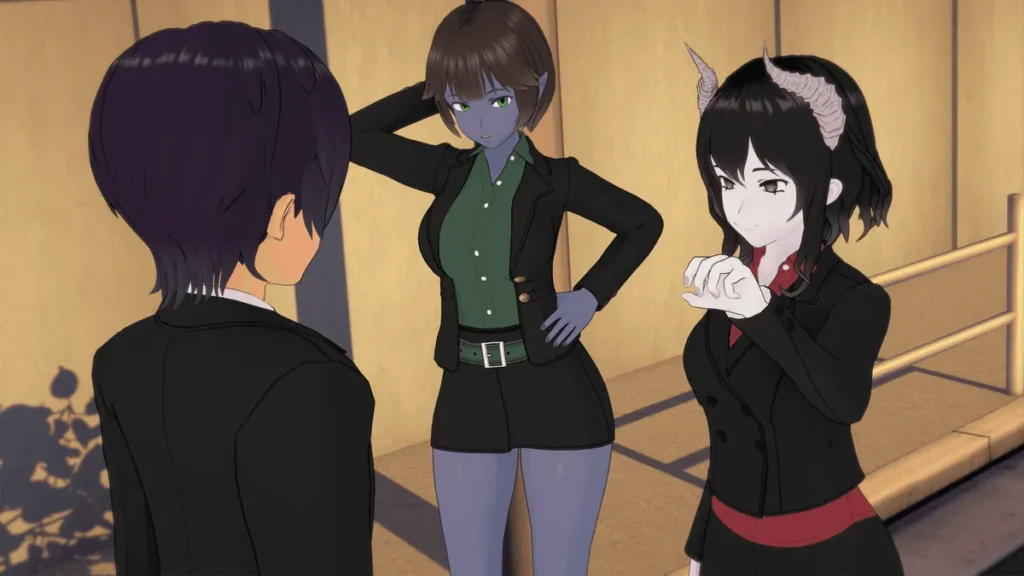
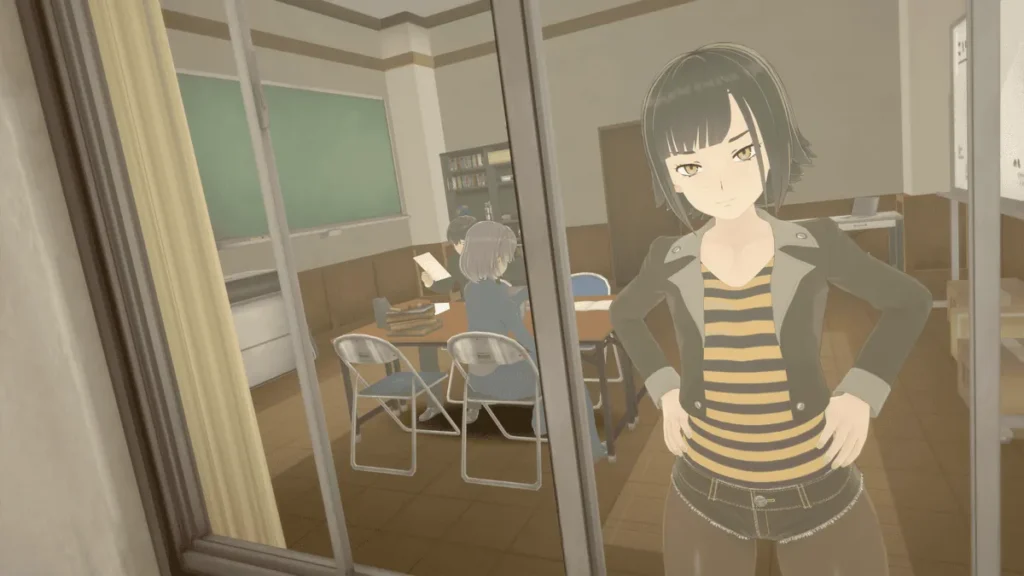
Demons of the Hearth review
Discover the gripping story, characters, and secrets of this adult visual novel
Ever stumbled upon a game that hooks you with its intense narrative and leaves you craving more? That’s Demons of the Hearth for me—a visual novel that blends dark fantasy with intimate encounters in a way that’s hard to put down. Developed by Konvel and hosted on itch.io, this title follows a protagonist navigating a world filled with alluring demon girls, hidden stats, and branching storylines. From the moment I started, the character depth and worldbuilding pulled me in, turning what I thought would be a quick play into hours of immersion. If you’re into Demons of the Hearth gameplay, romance routes, and steamy scenes, this guide shares my personal journey, tips, and insights to maximize your experience.
What Makes Demons of the Hearth So Addictive?
I remember scrolling through itch.io late one night, looking for something with a bit more substance than the usual fare. That’s when the stark, intriguing title caught my eye: Demons of the Hearth. I downloaded it on a whim, expecting maybe an hour of distraction. Fast forward to 3 AM, and I was absolutely paralyzed by the cliffhanger at the end of Chapter 2, my mind racing with theories. I was completely, utterly hooked. That’s the magic trick this game pulls off—it wraps you in its world and refuses to let go. But what exactly makes it so addictive? Let’s dive in. 😈
Unpacking the Story That Keeps You Hooked
At its heart, the Demons of the Hearth story is a masterclass in slow-burn intrigue. It doesn’t overwhelm you with convoluted lore right out of the gate. Instead, it introduces you to a seemingly mundane situation—a young man navigating a complex, supernatural household—and then expertly tightens the screws. The genius is in the balance. You get just enough mystery to keep you curious, but the focus remains firmly on the characters and their fraught, fascinating interactions.
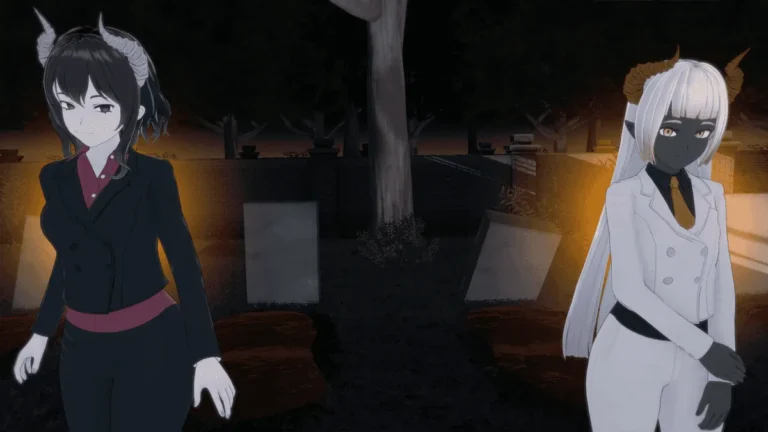
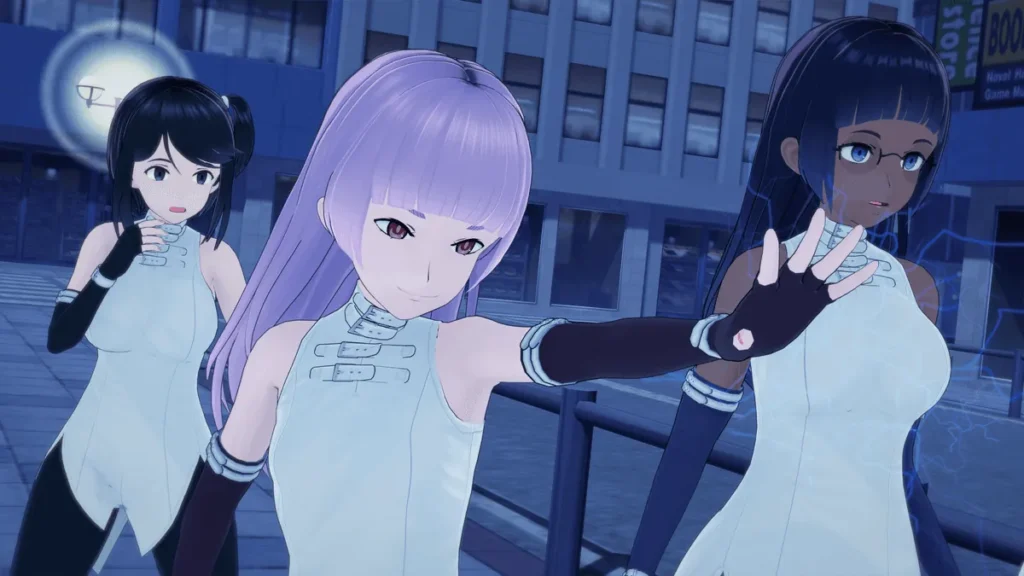
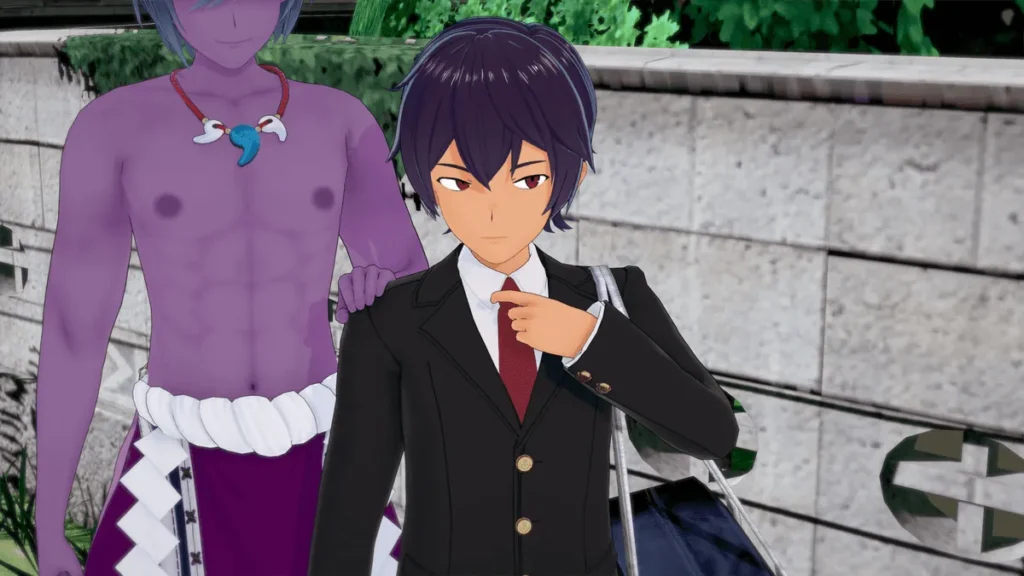
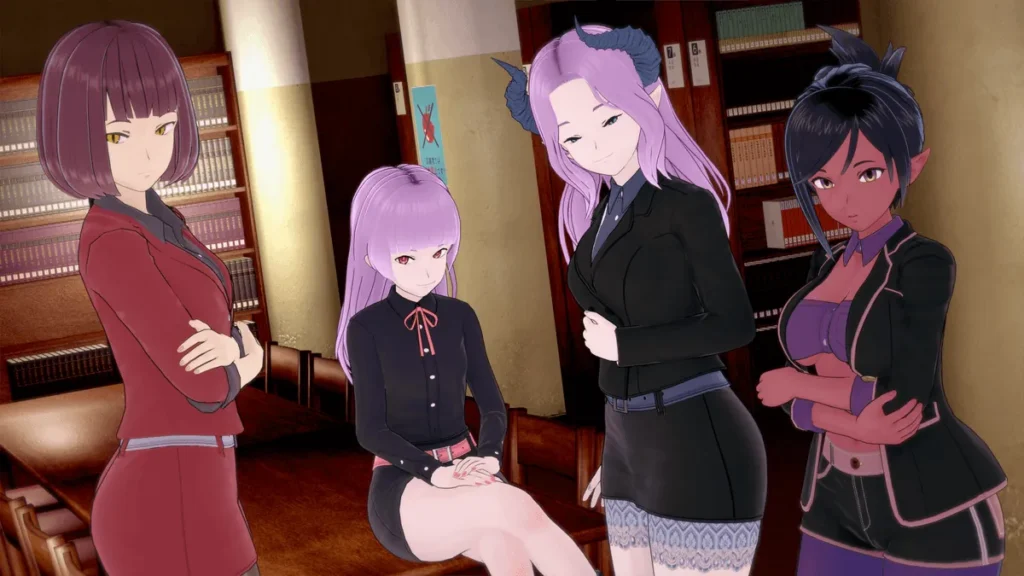
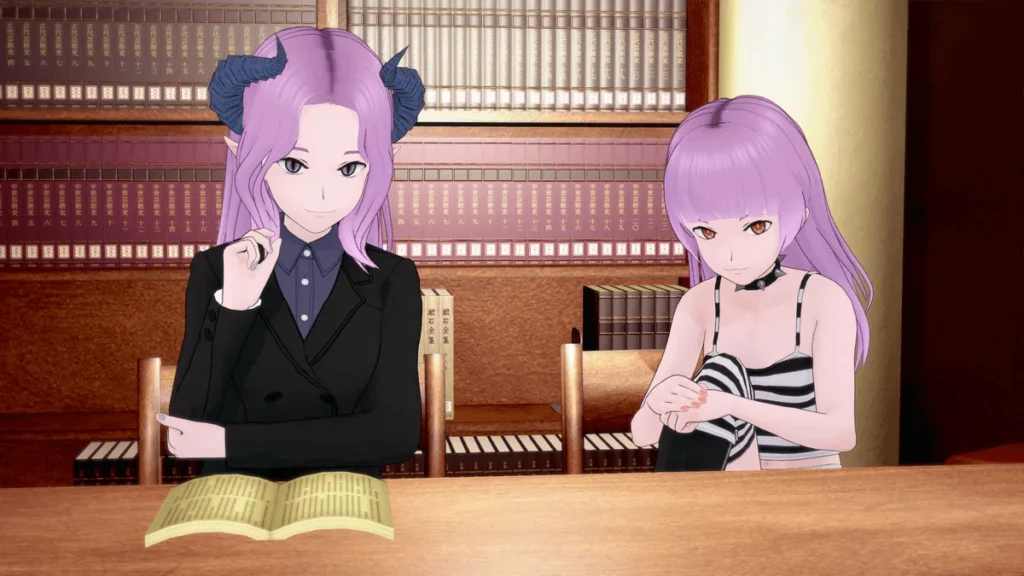
And what characters they are! You have Krowe, the white-haired horned girl whose stern exterior hides deep layers of duty and conflict. Then there’s Tiana (the purple-haired powerhouse you’re thinking of!), whose motivations are as complex as her magical abilities. The narrative doesn’t treat them as mere romantic targets; they are fully realized agents in the story with their own goals, fears, and secrets that unravel as you progress. The Demons of the Hearth chapters are structured to make you invest in these relationships, making every reveal and every tense standoff feel deeply personal.
The Demons of the Hearth gameplay serves this story perfectly. It’s not about grinding for affection points; it’s about making choices that feel meaningful. Should you press for information and risk anger, or offer support and build fragile trust? The story branches and bends based on these decisions, creating a powerful sense of agency. You’re not just reading a visual novel; you’re actively navigating its emotional minefield, and that’s what makes the cliffhangers so deliciously agonizing. 🎭
To help you navigate this compelling narrative, here’s a roadmap of the key chapters and how to access them:
| Chapter | Key Events & Unlock Focus | Pro Tip 💡 |
|---|---|---|
| Prologue | Introduction to the Hearth, core characters, and central conflict. Establishes the hidden stats system. | Pay close attention to early dialogue choices—they set your initial personality stats. |
| Chapter 2 | The first major story branch and a infamous cliffhanger. Introduces key side events. | Exploring the manor thoroughly in sandbox mode here can unlock crucial context. |
| Chapter 3.1 / 3.2 | Branching paths focused on different character dynamics and household politics. | Your hidden “Trust” stats with specific characters will lock or unlock these paths. |
| Chapter 4.1 | A major turning point with heightened stakes and revelations. | Completing events like the dinner with the Ilvog sisters is often mandatory to progress past this chokepoint. |
Why the Worldbuilding Feels Alive and Immersive
Many games tell you about their world; Demons of the Hearth lets you live in it. The Demons of the Hearth worldbuilding is achieved not through endless text dumps, but through environmental storytelling and organic exploration. The manor isn’t just a backdrop; it’s a character. Every room, every overheard conversation between other residents, and every minor side quest adds another brushstroke to the painting.
This is where the Demons of the Hearth sandbox mode truly shines. Between major story beats, you’re often given free time to explore the manor grounds. This isn’t empty downtime. You might stumble upon Tiana practicing magic in a hidden glade, overhear a tense argument between the Ilvog sisters that explains a decades-old feud, or find a mysterious artifact that sheds light on the household’s dark history. I once spent an entire sandbox phase just following a series of minor clues about a missing family heirloom, which culminated in a quiet, poignant scene that never appeared in a main story chapter. These moments make the world feel persistent and real.
Events like the dinner with the Ilvog sisters are perfect examples. It’s a side activity, but attending it (and choosing your conversational responses carefully) can unlock vital story progression, reveal character backstories, and influence your hidden stats Demons of the Hearth system. The game masterfully blurs the line between “main quest” and “side content,” encouraging you to engage with everything because it all matters. The world reacts to you, and that is the ultimate immersion. 🏰
How Hidden Stats Shape Your Adventure
Forget visible meters for love or strength. The real engine driving your unique experience is the game’s system of hidden stats Demons of the Hearth. This is, without question, one of its most brilliant design features. Your choices silently build a psychological and social profile for your main character, influencing everything from available dialogue options to which story paths and intimate scenes become accessible.
These stats aren’t about being “good” or “bad.” They might track traits like Assertiveness, Empathy, Cunning, or Obedience. Choosing to challenge Krowe’s authority might bump up Assertiveness, while offering a listening ear to a troubled character might increase Empathy. Crucially, they also track individual Trust levels with each major character. This isn’t a generic “like” meter; it’s a measure of how much a specific character believes in your intentions and reliability.
So, how to progress in Demons of the Hearth often comes down to these hidden metrics. You might hit a story chokepoint where the only way forward is to have a Trust level of 3 with Tiana, or an Assertiveness stat of 40. The game won’t tell you this outright—it simply presents the situation, and your previous choices determine the outcome. This eliminates grinding and replaces it with thoughtful role-playing. You’re not gaming a system; you’re consistently defining who your character is, and the world responds accordingly. 🔍
This design philosophy extends the replay value enormously. A second playthrough where you make deliberately different choices isn’t just about seeing a few alternate scenes; it can lead to entirely different Demons of the Hearth chapters and character dynamics. It makes every decision feel weighty and consequential.
Putting It All Together: A Symphony of Tension
Let me paint a picture of how these systems fuse. During a tense sandbox phase, I knew a major confrontation was coming in the next main chapter. My hidden stats were leaning Empathetic but low on Cunning. I used my free time to seek out a specific, quieter character known for their strategic mind. By choosing dialogue options aimed at understanding their perspective (boosting Empathy further) and carefully avoiding topics that would break trust, I unlocked a unique conversation where they offered me a piece of crucial advice.
When the confrontation hit in the next story chapter, that advice appeared as a new, peaceful dialogue option I wouldn’t have had otherwise. It completely defused the situation, leading to a resolution that felt earned and profoundly satisfying. The haunting, piano-driven soundtrack swelled at just the right moment, elevating the emotional payoff. This seamless blend of story, world, and hidden mechanics is the core of Demons of the Hearth gameplay.
My final insight? This game succeeds because it respects your intelligence. It trusts you to explore, to pay attention, and to live with the consequences of nuanced choices. The Demons of the Hearth story has the depth to support it, and the Demons of the Hearth worldbuilding provides the immersive stage. It’s a superior experience because it’s an adult visual novel in the truest sense—complex, character-driven, and emotionally resonant, far beyond simplistic tropes.
Your Progression Questions, Answered ❓
How do I trigger the dinner with the Ilvog sisters?
This event is typically flagged during sandbox mode in Chapter 2. Ensure you explore the main hall and dining room areas. You’ll need to have initiated basic conversations with both sisters earlier in the story. If it’s not appearing, you may need to reload an earlier save and slightly adjust your choices—sometimes a specific hidden stat threshold is required.
What are the hidden stats actually for?
They silently determine your character’s personality and relationships. They unlock or block specific dialogue choices, influence how characters react to you, and are the primary gatekeepers for accessing different story branches and events. You can’t see them, but you shape them with every decision.
I’m stuck at a main story chokepoint! What do I do?
This almost always means you need to meet a hidden stat or trust requirement. The solution is almost never to repeat the main event. Go back to your most recent sandbox mode save and do something different. Focus on side events, talk to different characters, and make contrasting choices to alter your hidden profile. Completing available side content is the key to how to progress in Demons of the Hearth.
Is sandbox mode just filler?
Absolutely not! The Demons of the Hearth sandbox mode is where most of the worldbuilding, character development, and stat-building happen. Skipping it will leave you underdeveloped and locked out of significant portions of the story. Think of it as essential, immersive prep work for the next big story beat.
How many chapters are there, and how long is the game?
The story is divided into multiple Demons of the Hearth chapters, with several having branching sub-chapters (like 3.1 and 3.2). A single, thorough playthrough exploring available side content can easily take 15-20 hours. Due to the significant branching based on hidden stats, seeing all the content requires multiple, very different playthroughs.
Diving into Demons of the Hearth transformed my evenings into epic adventures filled with memorable characters, tense choices, and rewarding progression. From mastering sandbox navigation to unlocking deeper romances, this game delivers storytelling that stands out in the adult visual novel space. My top tip? Embrace the side quests—they’re the key to richer experiences. If you haven’t played yet, grab it from itch.io and let the hearth’s demons captivate you. Share your favorite moments or routes in the comments—what hooked you first?