
Eternum
Play Eternum
Eternum Screenshots


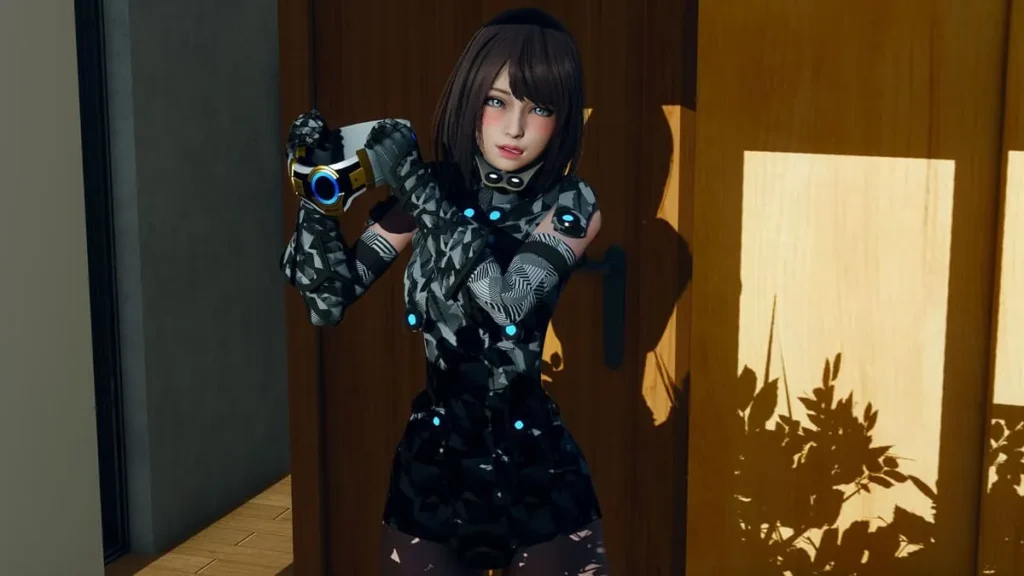


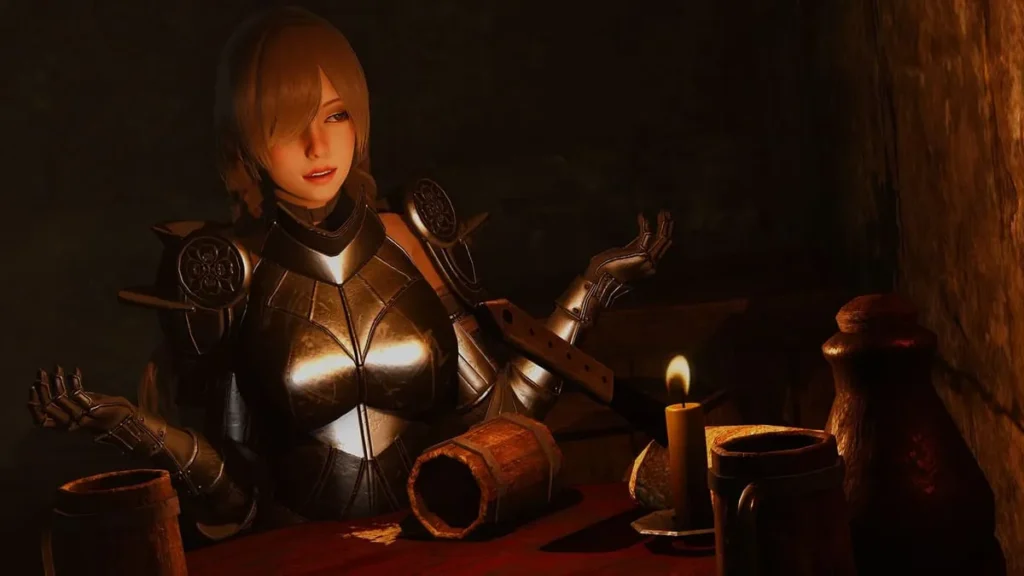

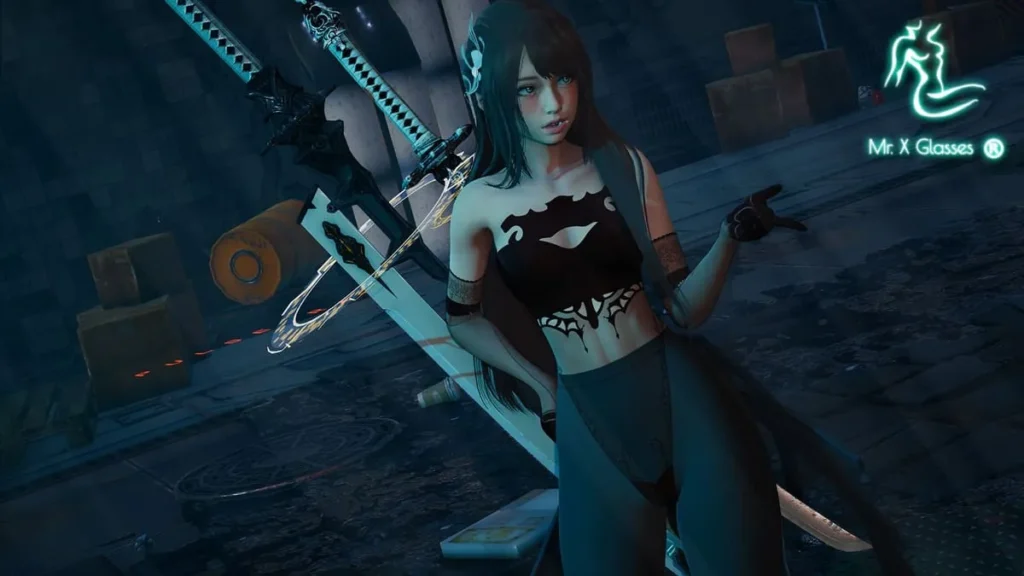














Eternum review
Discover immersive story, characters, and choices in this standout visual novel
Imagine slipping into a VR world where every choice crafts your destiny amid stunning visuals and deep relationships—that’s Eternum in a nutshell. This captivating visual novel by Caribdis has hooked players with its blend of suspenseful plot, realistic character growth, and interactive gameplay. From cyberpunk streets to fantasy realms, Eternum delivers an experience that’s emotionally rich and visually breathtaking. Whether you’re a newcomer or replaying for hidden paths, I’ll share my personal journey through its layers, tips to maximize enjoyment, and why it’s a must-play in the genre. Let’s explore what makes Eternum unforgettable.
What Makes Eternum’s Story and World So Addictive?
I still remember the first time I truly “got” what Eternum was doing. I was a few hours into my initial playthrough, my character navigating the rain-slicked, neon-drenched streets of Neo-Tokyo’s virtual district. I’d just helped a seemingly minor NPC find a lost data-chip, treating it like a simple fetch quest to grind some credits. Hours later, during a high-stakes confrontation with a corporate overlord, that same NPC burst into the room—not as a helpless citizen, but as an undercover net-runner who owed me a life-debt. The game had been quietly weaving a narrative web around me the entire time, and I was just living in it. That moment, when the Eternum story shifted from a cool VR experience to a living, breathing puzzle I was part of, is when I became utterly hooked. 😲
This isn’t your typical visual novel where you just click through dialogue. Eternum is about agency, consequence, and discovering a world that feels astonishingly real. If you’re ready to dive deeper than ever before, let’s unpack what makes its story and setting so impossible to put down.
Unpacking the Revolutionary VR Setting in Eternum
From the very first login, the Eternum VR world doesn’t feel like a game—it feels like a destination. The genius of the Eternum immersive setting is its meta structure. You, the player, are logging into a fictional VR game called Eternum, a universe so advanced it has become a second reality for billions. This clever setup creates an instant layer of depth. You’re not just playing a character; you’re role-playing a person role-playing in another world. It allows the narrative to blend genres seamlessly. One moment you’re in a gritty cyberpunk alleyway dealing with rogue AIs, and the next, you can step through a portal into a high-fantasy realm of floating islands and ancient magic. 🌃✨⚔️
The Eternum world building is in the details. The bustling hub city of Aethelgard isn’t just a pretty backdrop. Different districts have distinct cultures, economies, and factions vying for power. The neon glow of the Crimson Bazaar casts long shadows where black-market deals go down, while the serene, marble-plated Hall of Ancestors echoes with the whispers of digital ghosts and ancient lore. Every flickering sign, overheard conversation between NPCs, and environmental datalog isn’t just flavor text; it’s a piece of the larger puzzle. The world reacts to your reputation, opening up new areas or locking doors based on your alliances. This isn’t a static painting you admire; it’s a living ecosystem you influence with every choice.
How Branching Narratives Create Replayable Eternum Adventures
This is where Eternum truly separates itself from the pack. The core question of “how does Eternum story work?” is answered by its breathtaking branching narrative. Eternum employs a player-driven timeline where your decisions, big and small, create ripples that transform the entire narrative landscape. It’s the ultimate “butterfly effect” in gaming.
Forget simple “good vs. evil” sliders. Your personality traits—Are you compassionate? Cunning? Mercenary?—are tracked silently. Telling a white lie to protect a friend’s feelings in Chapter 1 might mean they trust you with a devastating secret in Chapter 4, unlocking a whole story arc about redemption. Conversely, choosing the brutally efficient, “mission-first” option might gain you a powerful ally in a syndicate but permanently burn bridges with a faction that holds the key to a major Eternum plot twist later on.
Pro-Tip from My Mess-Up: On my second playthrough, I was rushing and skipped a side-quest to help a character named Kael. I thought it was just a time-waster. Big mistake. Later, when a crucial story junction arrived, Kael was absent. I missed an entire redemption arc and a powerful alliance that could have prevented a major character’s death. The game never told me I “failed.” It just let the consequences of my haste play out. This is the power of the branching narrative Eternum delivers—your story is uniquely, sometimes painfully, yours*.
To show you just how deep this goes, let’s compare the experience to a more standard game:
| Feature | Typical Game | Eternum |
|---|---|---|
| Story Depth | A single, linear path with minor dialogue variations. | A multi-layered web where side characters have full arcs that intersect with the main plot based on your actions. |
| World-Building | Environmental lore is often static and informational. | The world evolves. Districts change, NPCs remember you, and news feeds report on the consequences of your major deeds. |
| Plot Variety | Maybe 2-3 major endings based on a final choice. | Dozens of unique ending states, affecting the fate of every major character and faction, determined by hundreds of micro-decisions. |
Key Plot Twists That Kept Me Hooked on Eternum
Talking about Eternum plot twists is tricky because the best ones are the ones you don’t see coming, and I’d never want to spoil that heart-pounding moment of revelation for you. However, I can talk about the structures and themes of these twists that make them so effective, so you know what to look for. 🕵️♂️🔍
First, the game masterfully uses the VR-within-a-VR concept. Just when you think you understand the rules of the Eternum game world, the story pulls back the curtain to reveal deeper, more mysterious layers about the real world your physical body inhabits. Questions about the nature of consciousness, identity, and reality itself become central to the Eternum story. A twist isn’t just about who the villain is; it’s about questioning what is real and what is code.
Second, the game subverts classic archetypes. The gruff mentor, the charming rogue, the seemingly powerless civilian—Eternum takes these familiar figures and imbues them with hidden depths and shocking secrets that are only revealed based on your relationship with them. A character you wrote off as comic relief in one playthrough could be revealed as a tragic mastermind in another, depending on how you treated them. This makes every interaction feel charged with potential meaning.
Finally, the most gut-wrenching twists are often personal, not global. They’re not about saving the world, but about the betrayal of a trusted companion, or the tragic cost of a well-intentioned promise you made hours ago. The Eternum story grounds its epic, universe-spanning mystery in raw, human emotion, making every revelation hit ten times harder.
To help you uncover these layers and craft your own unique tale, here are my hard-earned pieces of advice:
- Maintain a Digital (or Old-School) Journal: ✍️ Seriously. Jot down names, strange symbols, and NPC requests. The connections the game makes are intricate, and you will forget that offhand comment from 10 hours ago that just became crucial.
- Scan Everything, Always: The Eternum immersive setting is littered with clues. Hover over flickering screens, “examine” mundane objects in key rooms, and always, always read the optional datalogs and emails. Major plot threads start as environmental storytelling.
- Embrace Role-Playing, Not Min-Maxing: Don’t make choices based on what you think will give you the “best” reward. Make choices that feel true to the character you’re embodying. The most satisfying Eternum story paths emerge from consistent role-play, not strategic gaming of the system.
- Talk to Everyone, After Everything: Major story beats change NPC dialogue. Revisit key locations and characters after a big event. You’ll get new perspectives, unlock new quests, and gain foreshadowing you’d otherwise miss.
- Accept That You Can’t See It All in One Go: This is the beauty of the branching narrative Eternum is built on. Let your first playthrough be your story, flaws and all. Then reload an old save, or start fresh, and make radically different choices to see how the other half lives. The replay value is essentially infinite.
The magic of Eternum is that it makes you the co-author of an unforgettable saga. Its VR world is a canvas, its branching narrative is the set of brushes, and your choices are the paint. You’re not just discovering a story; you’re actively building it, relationship by relationship, decision by decision. So dive in, take your time, and get ready to lose yourself in one of the most compelling digital worlds ever created. Your unique adventure is waiting. 🚀
Eternum masterfully weaves a gripping VR tale, meaningful choices, and characters you’ll genuinely care about into an unforgettable adventure. My multiple playthroughs revealed layers of depth that keep pulling me back, from hidden subplots to evolving bonds. If you’re craving a visual novel where your decisions truly matter amid stunning visuals, dive into Eternum today. Grab the latest version, experiment with paths, and share your favorite moments in the comments—what’s your go-to choice that changed everything?