How to Fix the Future
Play How to Fix the Future
How to Fix the Future Screenshots


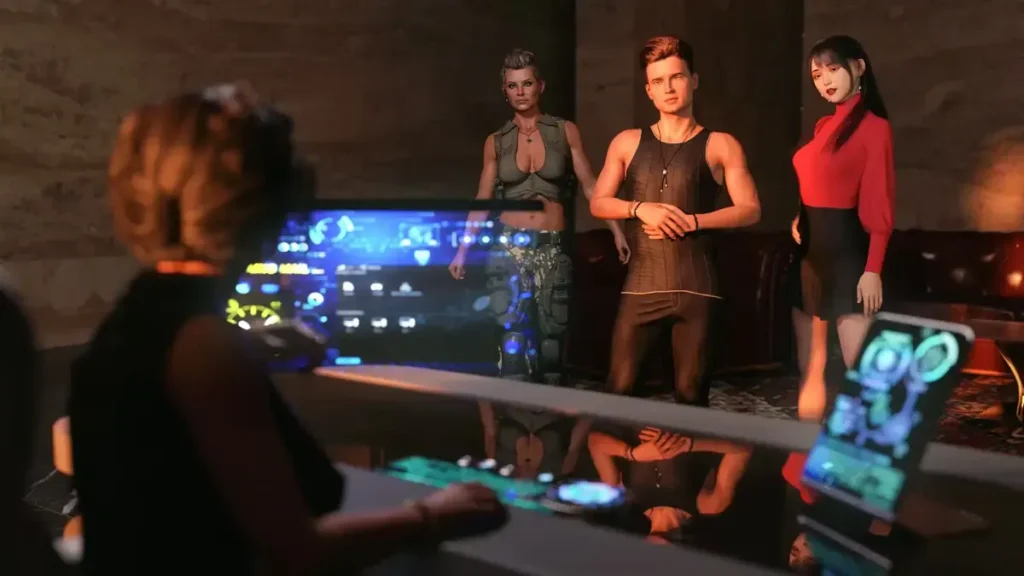
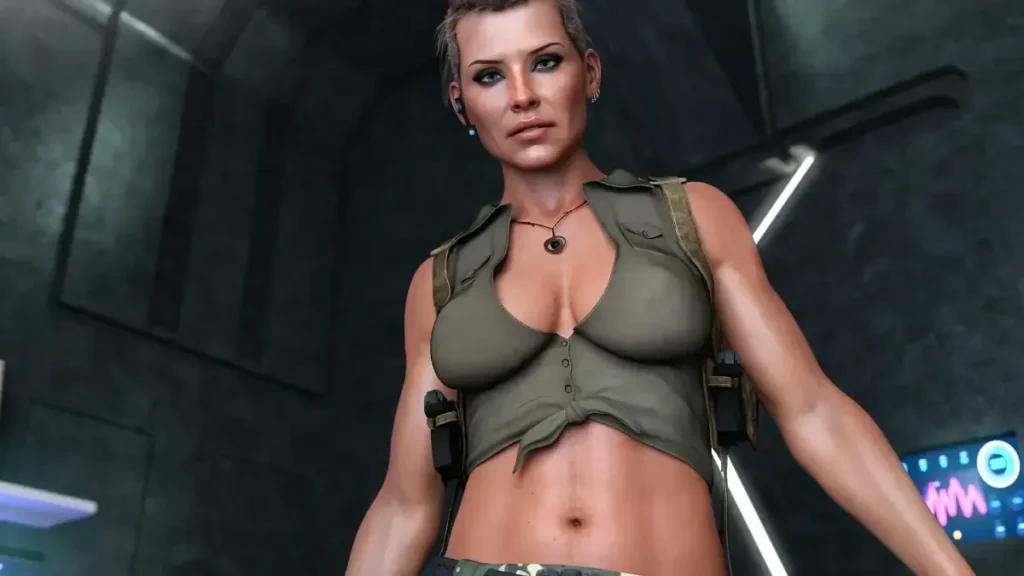






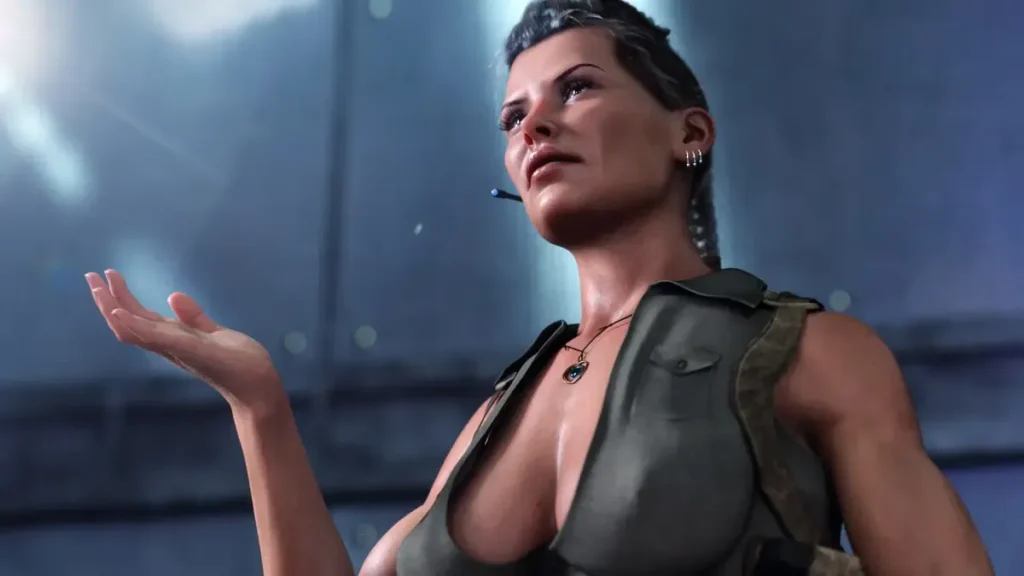





How to Fix the Future review
Tips, strategies, and real-player insights to get the most out of How to Fix the Future
How to Fix the Future is one of those games that looks simple on the surface but quickly pulls you into a surprisingly layered experience. If you’ve just discovered How to Fix the Future or you’re stuck a few hours in, this guide will walk you through what to expect, how to progress, and how to avoid the most common beginner mistakes. I’ll mix in personal experiences, small case studies from other players, and practical advice so you can enjoy the story, explore every important path, and get the most out of your time with How to Fix the Future.
How to Fix the Future Game Overview and Core Gameplay
So, you’ve seen a few screenshots of How to Fix the Future—maybe a moody character portrait, a slick futuristic interface, or a tense dialogue option—and you’re wondering what it’s all about. 🤔 You’re not alone. The store page can make it look like a bit of everything: a visual novel, a time-travel thriller, a relationship sim. Let’s cut through the noise. Is this a game you click through, or one you truly live in? Is it about reading or deciding? Grab a drink, and let me walk you through exactly what you’re signing up for.
What is How to Fix the Future and how does it play?
At its heart, How to Fix the Future is a narrative-driven experience where your primary tools are attention and intention. 👁️✨ Forget complex control schemes; this isn’t a game about jumping or shooting. Think of it more like stepping into the lead role of an interactive graphic novel where your choices write the script. The core How to Fix the Future gameplay loop is elegant in its focus: you explore beautifully rendered locations, engage in deep conversations with a cast of complex characters, and make decisions that send ripples—sometimes tidal waves—through the story.
A typical session feels less like “gaming” and more like directing your own episode of a prestige TV series. You’ll move between scenes using a simple point-and-click interface, soaking in the atmospheric soundtrack and detailed art that builds this near-future world. The pace is deliberate, allowing you to breathe in the setting and the stakes. When you talk to someone, you’re presented with dialogue options that range from empathetic and cooperative to shrewd, sarcastic, or even hostile. This is where the magic happens. Your selections don’t just get a different immediate reply; they build a profile of who you are in this world, which the game remembers and uses to shape everything that follows.
The How to Fix the Future game leans heavily into its story and character systems. Progression isn’t about leveling up stats in a traditional sense, but about deepening (or damaging) relationships and uncovering layers of a central mystery. You’re constantly balancing short-term goals with long-term consequences. Do you push a scared ally for crucial information now, risking their trust, or offer comfort that might leave you unprepared for a looming threat? The tension is constant, and it’s entirely generated by your own priorities. If you love games where atmosphere and consequence take center stage, you’ll feel right at home here.
Story, choices, and progression explained
The How to Fix the Future story is your anchor. Without giving away the plot, you’re positioned as someone with a unique, fragile chance to alter a looming crisis. “Fixing the future” isn’t a simple puzzle with one solution; it’s a messy, human process of navigating alliances, moral gray areas, and personal sacrifices. The narrative structure is branching, meaning your path will diverge significantly from another player’s based on key decisions you make at critical junctures.
Now, let’s talk about the famous How to Fix the Future choices. This is the game’s signature mechanic, and it’s implemented with remarkable subtlety. It’s not just about picking “Good,” “Neutral,” or “Evil” responses. Choices often reflect your character’s methodology: are you a blunt instrument, a diplomatic peacemaker, or a secretive manipulator? The game tracks these tendencies, and they unlock—or lock away—future opportunities.
Here’s a personal anecdote that sold me on the system: Early on, I met a seemingly minor character, a museum director grieving a lost piece of art. I had a choice: respectfully acknowledge her loss or, in a moment of impatience, bluntly tell her that her “old painting” didn’t matter compared to the global crisis. I chose the latter, feeling it was “realistic” for my stressed-out protagonist. I forgot about it entirely. Hours later, during a desperate moment where I needed that director’s specialized help to access a secure archive, she coldly refused. She remembered my callous words verbatim. My “small” earlier choice had permanently closed a major path, forcing me to find a far more dangerous and convoluted alternative. It was a brilliant, humbling moment that proved my decisions had real, organic weight. 🎭
Progression in this game is measured in revealed truth and altered relationships. Your goal is to gather enough influence, information, and trusted allies to steer events toward your desired outcome. Early chapters are shorter, letting you get a feel for the characters and mechanics. As the web of consequences tightens, sessions naturally become longer because you’ll be desperate to see the outcome of the threads you’ve been pulling. In terms of difficulty, How to Fix the Future challenges your perception and judgment, not your reflexes. There are no skill-based puzzles or timers. The challenge is internal: “Can I read this situation correctly? Do I understand what this person really needs?” You can’t “die,” but you can absolutely fail in your mission, leading to one of several poignant, sometimes devastating endings.
To help you see if this structure fits your style, here’s a quick breakdown:
| Aspect | How to Fix the Future’s Approach |
|---|---|
| Primary Focus | Narrative depth and consequence-driven choice |
| Difficulty & Challenge | Mental, based on social insight and strategic decision-making |
| Replay Value | Very High. Different choice philosophies lead to wildly different story beats and endings. |
| Typical Time Investment | First playthrough: 10-15 hours. Subsequent runs are faster but reveal new content. |
Is How to Fix the Future worth your time as a player?
This is the big one: is How to Fix the Future worth playing? My honest How to Fix the Future review boils down to this: if you are a player who reads quest text, loves rich lore, and gets excited about “what if I’d done that instead?”, then this game is an absolute gem. 💎 Its value is in its depth and its respect for your intelligence. It doesn’t guide you to a “correct” ending; it presents a scenario and says, “What kind of future will you craft?”
The replay value is its strongest asset. One playthrough will only show you a slice of the full picture. You might finish and immediately want to start again to see what happens if you side with a different faction, or if you tell the hard truth instead of a comforting lie. The game actively rewards experimentation and different role-playing perspectives.
Now, let’s address common concerns head-on. Many new players worry: “Will I get stuck?” The answer is no, not in a traditional sense. The path forward is always through conversation and exploration. You might not like the options available if you’ve burned certain bridges, but you will always have a path. This leads to the next question: “Do I need a guide?” I strongly advise against it for your first run. The magic is in the discovery and living with your “mistakes.” Using a guide turns this personal journey into a paint-by-numbers exercise. Finally, “Is the interface intuitive?” Yes, it’s clean and minimalist, putting all focus on the characters and your choices.
I have a friend who initially bounced off the game. He was in a “gaming to unwind” mindset and found the weight of the decisions stressful. He put it down for a month. When he came back, he approached it with a different mindset—not as a chore to optimize, but as an actor embracing a role, committing to his first instinct without save-scumming. He ended up adoring it, calling it the most memorable story he’d engaged with all year. His “failed” first run became a tragic, canonical backstory in his mind that made his second, more thoughtful attempt even more meaningful.
Ultimately, the How to Fix the Future game asks for your engagement and rewards it with a profoundly personalized story. Your first run shouldn’t be seen as a search for a perfect ending, but as a unique learning experience—your version of events. The choices are yours, the consequences are real, and the future is wonderfully, terrifyingly, in your hands. 🕰️➡️✨ Dive in with an open mind, and see what kind of future you choose to fix.
How to Fix the Future rewards players who are willing to slow down, explore its world, and treat each run as a chance to experiment rather than something to perfect. Once you understand the basic rhythm of its gameplay and how choices influence later moments, the experience becomes far more engaging and personal. Whether you are just starting or thinking about returning for another run, use this guide as a loose roadmap, not a rigid script, and let your curiosity lead the way. If the game’s premise appeals to you, the best way to see what How to Fix the Future can offer is simply to dive in and start shaping your own version of the future.