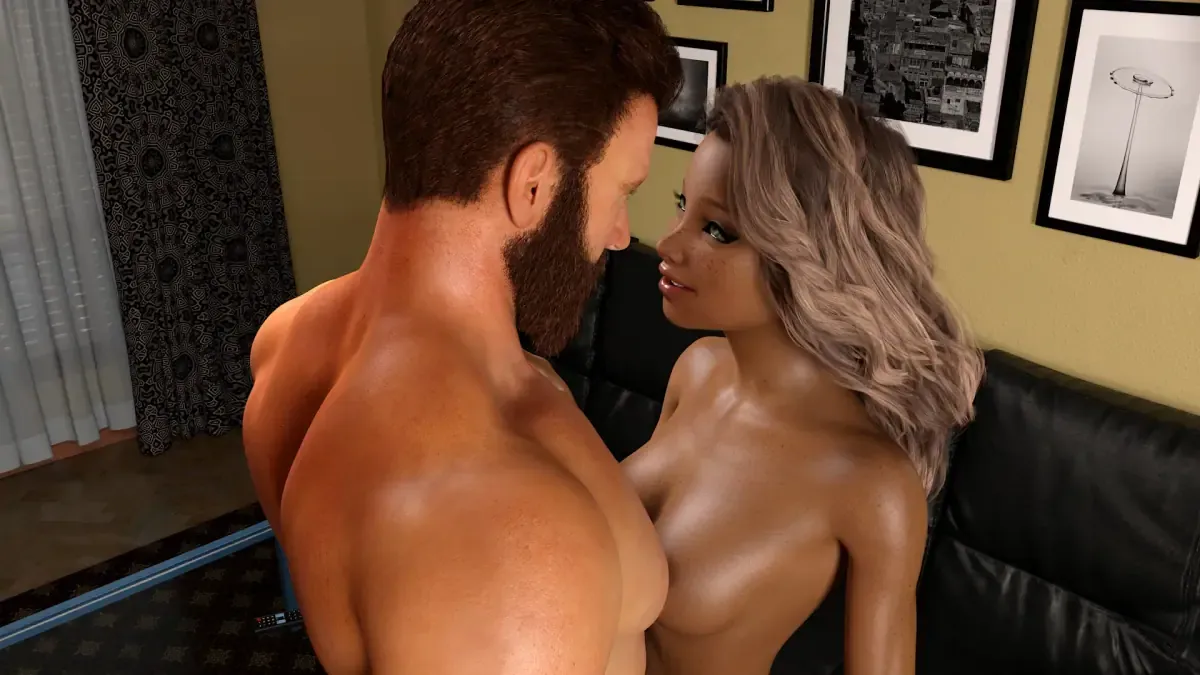
Second Chance
Play Second Chance
Second Chance Screenshots




Second Chance review
Explore the interactive storytelling mechanics and player-driven choices in this adult-themed adventure
Second Chance is an adult-themed interactive game that combines storytelling with player-driven choices, offering a unique experience where your decisions shape the narrative outcome. This game stands out in the interactive fiction genre by blending character development, relationship mechanics, and meaningful player agency. Whether you’re new to the game or looking to deepen your understanding of its systems, this guide covers everything you need to know about gameplay mechanics, character interactions, progression systems, and strategic decision-making. Understanding how Second Chance’s mechanics work will help you maximize your enjoyment and unlock the full potential of this narrative-driven experience.
Understanding Second Chance Game Mechanics & Core Systems
Ever felt like you’re just along for the ride in a visual novel? 🎭 You click, you read, but your decisions feel more like decorations than destiny. That was my exact fear when I first booted up Second Chance. I thought I’d be a passive spectator in someone else’s story. Boy, was I wrong. This isn’t just a game you play—it’s a world you live in, where every tiny choice, from what you eat for breakfast to how you flirt, ripples out to reshape your entire experience. Welcome to the heart of this adult-themed adventure: its deep, rewarding, and sometimes delightfully complex game systems. Let’s pull back the curtain on the Second Chance game mechanics that make it so uniquely compelling.
How Player Choices Drive the Narrative Experience
The soul of Second Chance isn’t just its story; it’s your story. The player choice narrative system here is the engine that powers everything. Forget about simple “good” or “evil” dialogue options. Here, your choices are nuanced, contextual, and carry real weight. 🧩
Think of it like building a mosaic. Every conversation, every action, is a tiny tile. Alone, it might not mean much, but together, they form a complete picture of who your character is and how the world reacts to them. Early on, I learned this the hard way. I was trying to build a connection with a character by always being agreeable and sweet. It worked… to a point. But then I hit a wall. The story felt flat, and the relationship stalled. I replayed a chapter, making bolder, more assertive choices. Suddenly, a whole new side story unlocked—one that was cheeky, competitive, and far more exciting. That’s the magic. The game doesn’t judge your choices as right or wrong; it treats them as authentic expressions of personality, which in turn attract specific characters and open unique narrative branches.
These interactive storytelling choices are everywhere. They’re in major plot crossroads, sure, but also in seemingly minor moments. Complimenting someone’s outfit versus teasing them about it, choosing to study at the library instead of watching TV, deciding how to spend your last bit of cash—all of this data is fed into the game’s narrative algorithm. It tracks your tendencies, and the characters around you react accordingly. They remember if you’re generous or frugal, confident or shy, playful or serious. This creates an incredibly organic feel where the story isn’t told to you; it’s built with you, choice by deliberate choice.
Character Relationship Systems and Progression Mechanics
If choices are the engine, relationships are the fuel. Second Chance features a sophisticated relationship points progression system that goes far beyond a simple “like” meter. Here, connections are measured in two primary currencies: Love Points (LP) and Kink Points (KP). Understanding the difference is your key to unlocking the game’s deepest content. 🔑
Love Points (LP) represent emotional intimacy, trust, and romantic affection. You earn these through genuine connection: remembering personal details, offering emotional support, being reliable, and sharing tender moments. It’s the foundation of any lasting relationship in the game.
Kink Points (KP), on the other hand, represent a different kind of chemistry—one built on playful tension, mutual exploration of desires, and a daring dynamic. You might gain KP through flirtatious teasing, engaging in risqué dares, or expressing a mutual interest in more adventurous activities.
Here’s the kicker: you need both. Focusing solely on LP might get you a sweet, stable partner, but you could miss out on thrilling, passion-driven story arcs. Ignoring LP and maxing out KP alone might lead to a fiery, physical connection that lacks the emotional depth to progress to meaningful story beats. The real magic happens when you balance both, tailoring your approach to each character’s unique personality. A more reserved character might require a slow build of LP before any KP gains are possible, while a confident, outgoing character might appreciate a direct and playful approach that builds both simultaneously.
This is where the character trait system comes into play, acting as a powerful modifier on this entire process. Your chosen traits (and the traits of the characters you pursue) dramatically affect how quickly you gain LP or KP and which story paths become available.
| Your Character Trait | Effect on Relationships | Story Outcome Influence |
|---|---|---|
| Dominant | Easier KP gains with submissive-leaning characters. LP gains may require showing unexpected vulnerability. | Unlocks paths where you take the lead in decisions and dynamics. Can intimidate or attract depending on the target. |
| Submissive | Faster LP gains with protective characters. KP gains are often tied to moments of willing surrender or following a lead. | Opens story branches focused on trust, guidance, and scenarios where you yield control to others. |
| Princess / Prince | High-maintenance trait. Gifts and lavish attention grant big LP boosts. Neglect can cause rapid LP loss. | Leads to luxurious, drama-filled storylines. Often requires significant resource investment to maintain. |
| Poor | Resourceful trait. Earns bonus LP/KP through heartfelt, low-cost actions. Shiny gifts are less effective. | Unlocks down-to-earth, resilient story arcs focused on connection over materialism. Different event triggers. |
As you can see, your core identity in the game isn’t just cosmetic. Choosing the “Poor” trait, for example, completely changed my playthrough. Expensive gifts were off the table, so I had to get creative—writing poems, sharing homemade meals, and finding free fun. This led to incredibly sweet and authentic story moments I would have completely missed as a “Prince.” This intricate character trait system ensures that your journey is uniquely yours.
Resource Management and Stat Building Fundamentals
Welcome to the “life sim” part of the equation! 🏡 In Second Chance, you’re not just managing relationships; you’re managing a life. Your character has four core needs: Energy, Hunger, Grooming, and Fun. Let me tell you, ignoring these is the fastest way to sabotage your own story. I learned this after a marathon gaming session where I focused only on chasing a character. My in-game avatar became exhausted, hungry, and miserable. Not only did my stats plummet, but characters started commenting on my ragged appearance and low energy! Choices that were once available grayed out because I simply didn’t have the Energy to be charming or witty.
This brilliant layer of Second Chance game mechanics forces you to think strategically. You can’t just spam social interactions all day. You need to sleep to restore Energy, eat to manage Hunger, shower to maintain Grooming, and engage in hobbies for Fun. It’s a balancing act that makes the world feel real and your successes feel earned.
This ties directly into character stat building. Your attributes—like Charm, Knowledge, Fitness, and Guitar—are your keys to unlocking new opportunities. These stats don’t just increase passively; you train them by doing. Want to be more charming? Go to the bar and practice socializing. Need more Knowledge? Hit the books at the library. It’s a satisfying loop: managing your needs gives you the capacity to improve your stats, and improved stats unlock new interactive storytelling choices.
For example, a high Charm stat might unlock a smooth, flirtatious dialogue option that nets you both LP and KP. A high Knowledge stat could let you help a character with their homework, leading to a grateful LP boost and a special study-based side event. Fitness might unlock an invitation to the gym, creating a new venue for interaction. These stats are your toolkit for engaging with the world, and investing in them is non-negotiable for a successful Second Chance gameplay guide.
So, how do you optimize this daily dance of needs and stats? Here’s a practical, step-by-step guide based on my own trial and error:
- 1. Prioritize Your Morning. Start each day by checking your needs. If Energy is low, sleep in a bit longer. If Grooming is poor, shower immediately. A fresh start is crucial.
- 2. Link Activities for Efficiency. Combine need-fulfillment with stat-building. Making a meal at home reduces Hunger and can be a gift (if your Cooking stat is high). Going for a run boosts Fitness and manages Fun if you enjoy it.
- 3. Align Stats with Your Goals. Are you pursuing a character who loves music? Prioritize building your Guitar skill. Going after a bookish type? Knowledge is your best friend. Don’t try to max everything at once.
- 4. Plan Your Social Energy. Social interactions cost Energy. Schedule important dates or conversations for when your Energy is high to ensure you have access to the best dialogue options.
- 5. Don’t Neglect “Fun”. A low Fun meter makes all other actions less effective. Regularly schedule cheap, fun activities like watching TV or playing games to keep your spirits (and your effectiveness) high.
Finally, let’s talk about the catalyst that can supercharge your relationship points progression: gifts. 🎁 Gift-giving is a science in Second Chance. Every character has likes, dislikes, and loves. Giving a cherished gift can cause a massive LP/KP spike and even trigger a special scene. A disliked gift can halt your progress in its tracks. The “Poor” trait character might adore a simple, hand-picked flower (cost: $0), while the “Princess” expects jewelry. Paying attention to dialogue is key—they’ll often mention their interests, giving you hints for the perfect present.
Mastering these interconnected systems—the player choice narrative system, the dual-currency relationship points progression, the life-sim management, and the strategic character stat building—is what transforms Second Chance from a simple story into a deeply personal adventure. It’s a world that remembers, reacts, and rewards you for thinking carefully about who you want to be and how you want to connect. Now that you understand the core mechanics, you’re ready to step back into that world and craft a story that could only ever belong to you. Your second chance awaits.
Second Chance delivers a compelling interactive experience where your decisions genuinely matter. By understanding the game’s mechanics—from relationship point systems to stat building and event triggers—you can craft a personalized narrative that reflects your choices and preferences. The game’s strength lies in its character depth and branching storylines, rewarding players who invest time in understanding each character’s unique traits and preferences. Whether you’re pursuing specific relationships, unlocking all available content, or exploring different playstyle approaches, the systems work together to create meaningful progression. As you continue your Second Chance journey, remember that experimentation and multiple playthroughs reveal new story branches and character outcomes you might have missed. Embrace the interactive nature of the game, make choices that resonate with you, and enjoy discovering how your decisions shape the unfolding narrative.