Short Sad Stories
Play Short Sad Stories
Short Sad Stories Screenshots


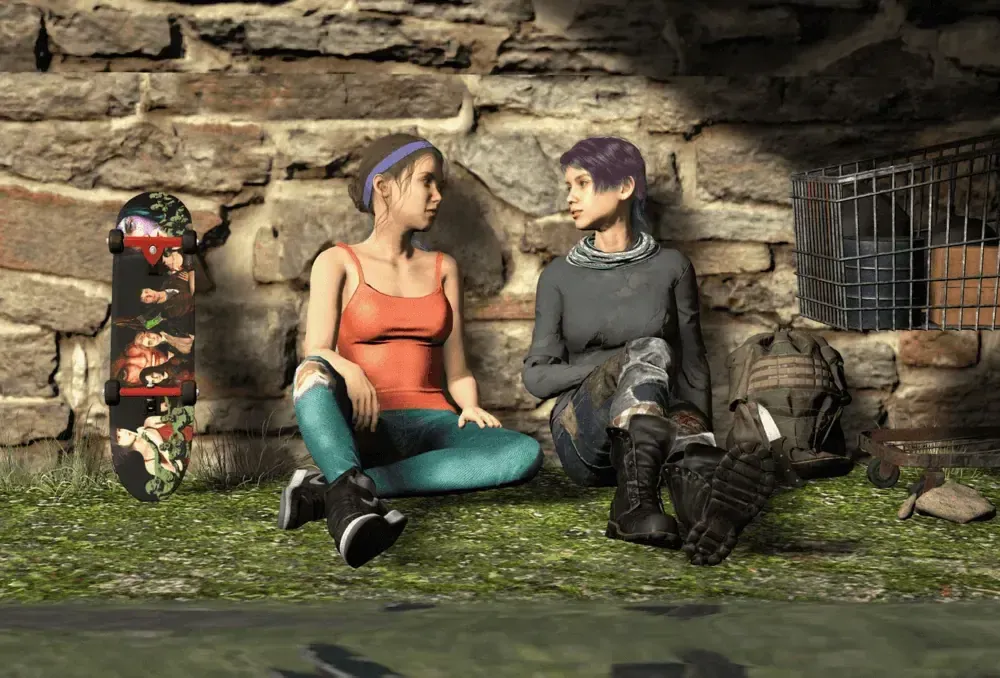
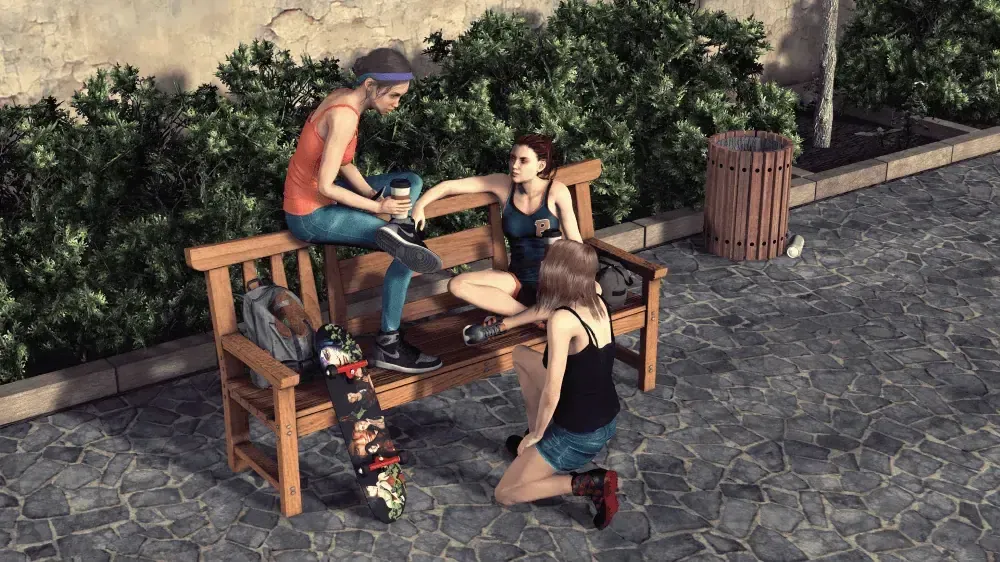
Short Sad Stories review
Explore how this interactive visual novel redefines emotional storytelling through meaningful player decisions
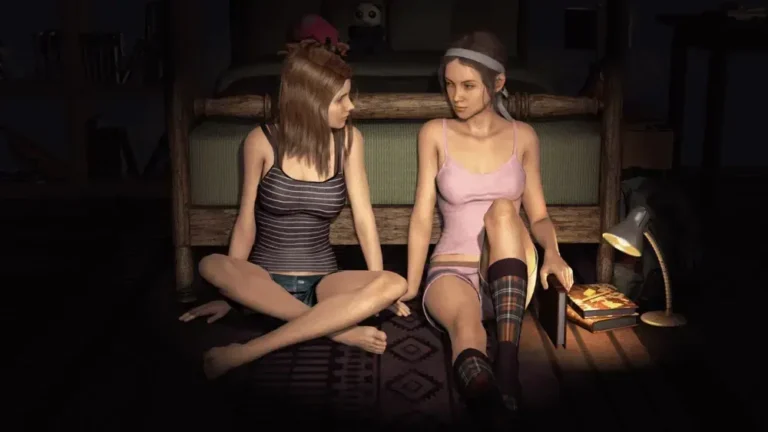
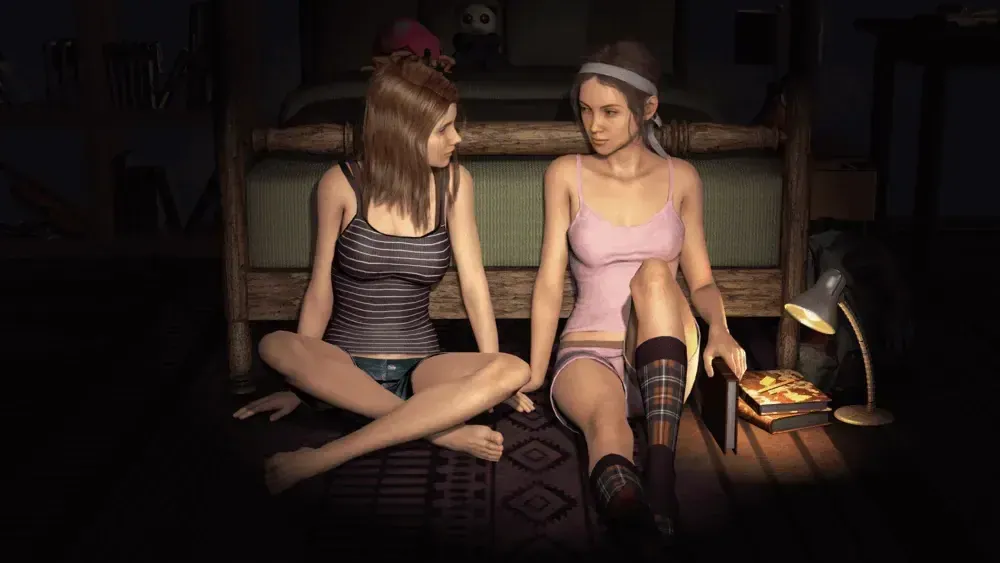
Short Sad Stories stands as a distinctive interactive visual novel that fundamentally reimagines emotional storytelling in gaming. Created by Pent Panda, this narrative-driven experience centers on Alice, a dreamy girl caught between reality and fantasy, alongside interconnected stories of young adults navigating unexpected dilemmas and personal growth. Unlike traditional games focused on winning or achievement, Short Sad Stories invites players into an intimate journey where choices deepen emotional understanding rather than alter predetermined outcomes. The game masterfully blends interactivity with inevitability, creating profound moments through simple actions that carry unexpected weight. Whether you’re drawn to visual novels for their storytelling depth or interactive gameplay mechanics, this game offers a memorable and thought-provoking adventure that explores themes of hope, struggle, regret, and personal transformation.
Understanding Short Sad Stories: Core Gameplay and Narrative Structure
Ever played a visual novel where you’re scrambling to find the “right” choice, hunting for a perfect ending like it’s a trophy? 🏆 I certainly have. You save scum, follow guides, and treat every conversation like a puzzle to be solved. But what if a game asked you to do something entirely different? What if, instead of chasing a “good” ending, you were asked simply to feel, to witness, and to understand?
That’s the profound shift at the heart of Short Sad Stories. This isn’t a game about winning or losing. It’s a narrative-driven game experience designed to use interactivity as a tool for introspection. Your journey through its rainy city isn’t about altering fate, but about transforming your own emotional journey toward it. Let’s peel back the layers and see how this interactive visual novel redefines what it means to play a story.
What Makes This Interactive Experience Unique
Most games with stories give you a lever and promise you can move the world. Short Sad Stories gives you a lens, and asks you to look more closely. 🎭 The core of its Short Sad Stories gameplay revolves around a concept I call “interactivity with inevitability.” You are an active participant, making choices that feel deeply personal, but you are often navigating toward a poignant moment rather than away from it.
The genius is in how it recontextualizes simple actions. I remember one early moment where the game prompted me to place a family photograph into a moving box. In another game, this might be a mindless click. Here, the slow drag of the mouse, the empty space left on the digital shelf, and the finality of the click created a lump in my throat. This is a prime example of its emotional game mechanics—using mandatory, simple interactions to forge a powerful empathetic connection. You’re not just told someone is sad; you perform the small, sorrowful act of packing their life away.
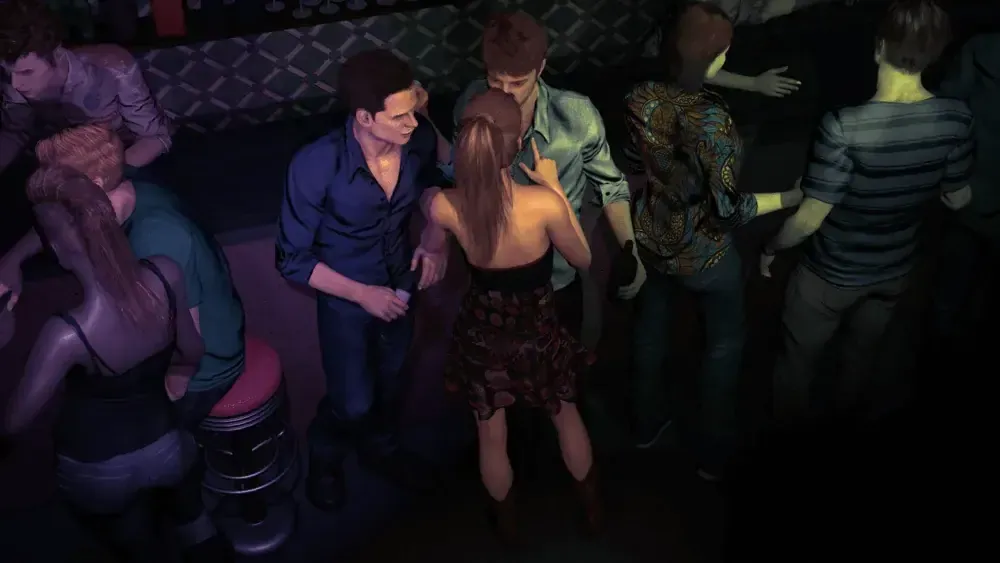
The setting—a bustling, often rain-slicked city filled with young adults crossing paths—becomes a character itself. Their struggles with loss, regret, and connection are universal, and the game’s stripped-down, beautiful art style lets those emotions take center stage. Available in its complete Final + DLC version on Windows, Android, Mac, and Linux, it offers a consistently refined narrative-driven game experience focused purely on emotional resonance over traditional reward systems.
How Player Agency Works in Narrative-Driven Design
So, if you can’t always change the destination, what’s the point of the choices? 🤔 This is where Short Sad Stories demonstrates a masterful understanding of true player choices narrative impact. Your agency isn’t about controlling the plot’s road signs; it’s about deciding which scenery to linger on during the drive. It’s about curating your understanding of a character.
Think of it this way: you’re not choosing a character’s destiny, you’re choosing your relationship to it.
Your decisions primarily influence two things: the specific scenes and dialogues you witness, and the layers of a character that are revealed to you. You might choose to ask about a character’s past, which unlocks a flashback memory. Or, you might focus on their present worry, deepening your understanding of their current anxiety. Both choices are “correct,” but they color the eventual outcome with completely different emotional hues. This design makes it a brilliant visual novel with meaningful choices, as every selection feels significant to your personal comprehension, even if it doesn’t derail the narrative train.
The goal shifts from “getting the best ending” to “achieving the deepest understanding.” It’s a game about emotional comprehension and witnessing. You become less of a puppeteer and more of a compassionate observer whose choices determine which heart-wrenching truths you are ready to see and sit with. This is the core of its unique Short Sad Stories gameplay—a mechanics set built for feeling, not for conquest.
The Branching Storyline System Explained
Now, let’s talk about that famous replay value. The branching storylines visual novel aspect of Short Sad Stories is subtle yet expansive. We’re not talking about a flowchart with hundreds of exclusive endings. Instead, imagine a central, spine of key events. Your choices determine which branches—which side stories, intimate conversations, and character moments—grow off that spine during your playthrough.
Your first run might show you a character as stoic and reserved, dealing with a breakup. But on a second playthrough, by making different priority choices, you might uncover their deep-seated fear of abandonment from childhood, which recontextualizes every line of dialogue from your first run. 💡 This “narrative layering” is the game’s greatest strength. Multiple playthroughs don’t feel repetitive; they feel like you’re getting to know a real person, uncovering new depths each time you chat.
The branching is often tied to item curation and environmental interaction. Deciding to keep, store, or discard certain mementos in your inventory can open up entirely new conversational branches or memory sequences. Interacting with a dusty piano versus a stacked bookshelf might lead you down different paths of a character’s backstory. This system ensures that the branching storylines visual novel mechanics are seamlessly woven into the act of emotional exploration.
To give you a clearer picture of how these themes, mechanics, and payoffs intertwine across different playthroughs, here’s a breakdown:
| Story Arc Theme | Core Mechanics Involved | Emotional Payoff |
|---|---|---|
| Loss & Letting Go | Item curation (choosing what to keep/leave), mandatory symbolic actions (e.g., packing a box). | A cathartic sense of acceptance; understanding the weight of memory versus the need to move forward. |
| Regret & Missed Chances | Dialogue choices that explore “what if” scenarios, interacting with environmental triggers of the past. | A poignant reflection on paths not taken, emphasizing the importance of presence and spoken words. |
| Quiet Connection in Isolation | Choosing who to reach out to via in-game messages, deciding to share or withhold personal stories. | A deep feeling of bittersweet warmth, highlighting how small moments of bravery can bridge loneliness. |
This structure means your player choices narrative impact is measured in emotional revelation, not in plot points unlocked. The game’s design philosophy asks, “What did you feel when you learned that truth?” rather than “Did you unlock the secret scene?”
Ultimately, Short Sad Stories stands as a beautiful argument for what games can be. It’s a narrative-driven game experience that trusts you with fragile emotions instead of complex power-ups. It’s an interactive visual novel where the true achievement is the quiet moment you spend after putting down the controller, just thinking about what you witnessed. Its Short Sad Stories gameplay proves that sometimes the most powerful choice isn’t about changing a story’s ending, but about allowing that story to change you. ✨
Short Sad Stories represents a revolutionary approach to interactive storytelling, where emotional comprehension becomes the primary objective rather than traditional gaming achievements. Through its intricate branching narratives, deeply developed characters, and meaningful player choices, the game creates an intimate experience that resonates long after completion. The genius of its design lies in understanding that true player agency isn’t about changing fate—it’s about deepening your relationship with the story’s inevitable emotional journey. Whether you’re exploring Alice’s struggle between reality and fantasy or navigating the interconnected lives of young adults facing unexpected dilemmas, every choice you make shapes your personal understanding and emotional connection to the narrative. If you’re seeking a visual novel that challenges conventional gaming mechanics and invites genuine emotional engagement, Short Sad Stories offers a profound, hard-earned piece of understanding that transforms you from passive observer to active feeler. Experience this distinctive narrative adventure and discover why players return multiple times to uncover new layers of meaning in its beautifully crafted storytelling.