Teen Zombie in Your Cabin
Play Teen Zombie in Your Cabin
Teen Zombie in Your Cabin Screenshots

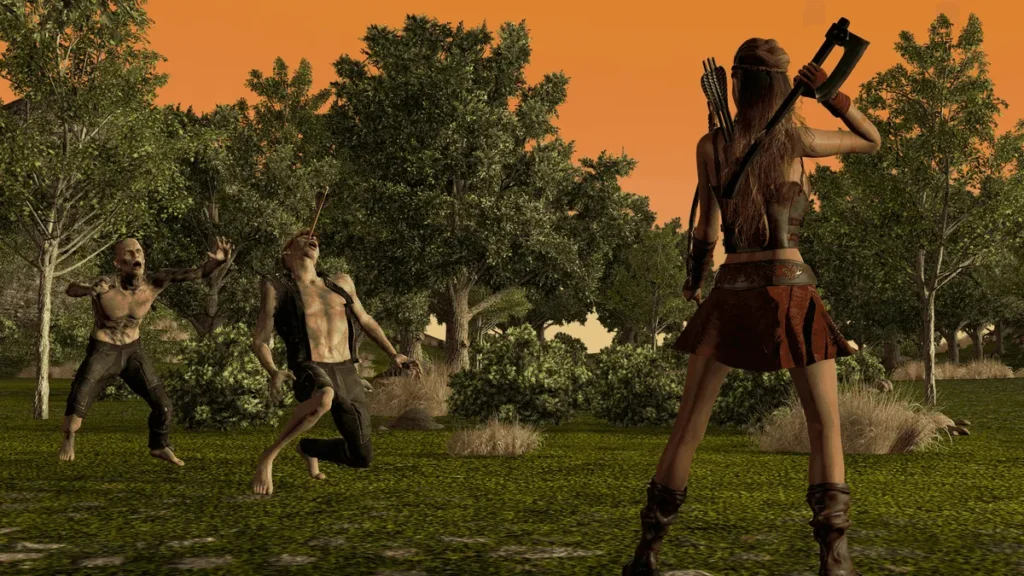
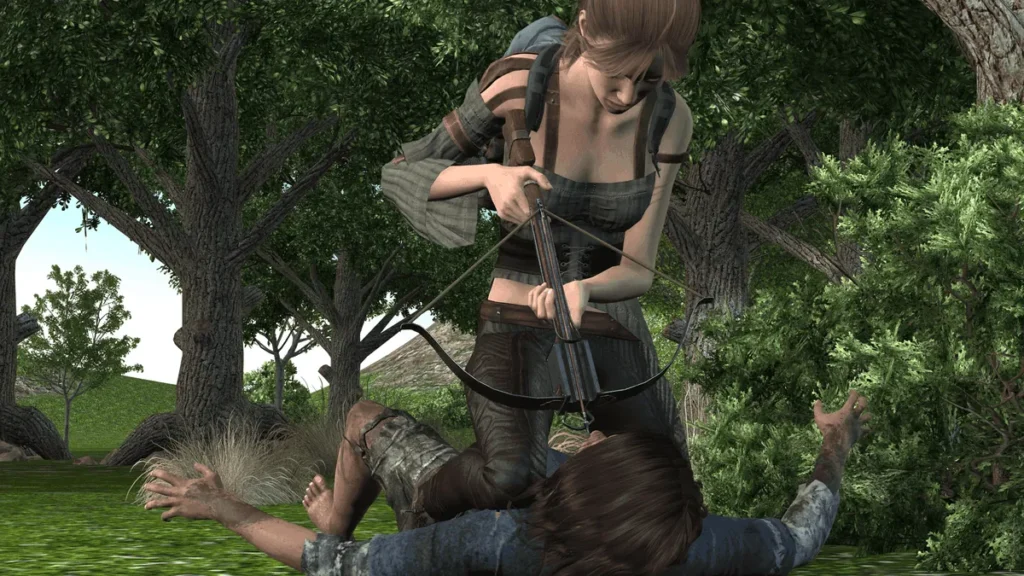
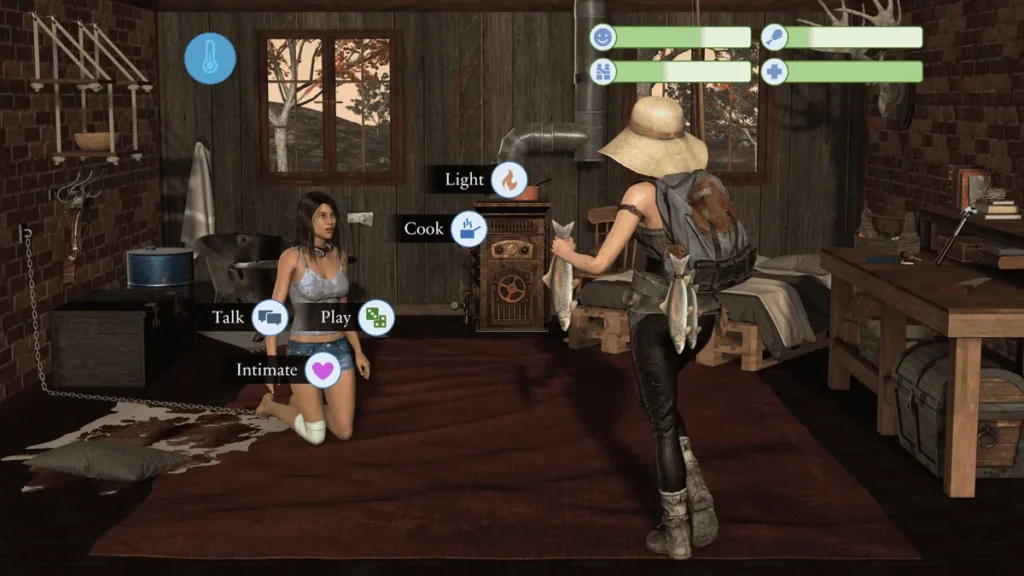
Teen Zombie in Your Cabin review
Explore gameplay, story, and tips for mastering Teen Zombie in Your Cabin
Teen Zombie in Your Cabin is a unique adult survival game set in a post-apocalyptic world where you live alone in a cabin after a zombie uprising. The game combines resource management, character development, and interactive storytelling as you care for a young zombie who is unlike the others. This guide dives into the game’s immersive narrative, gameplay features, and practical advice to help you navigate and enjoy this captivating experience.
Understanding the Story and Setting of Teen Zombie in Your Cabin
So, you’ve decided to step into a world where the groans outside your door aren’t just the wind, and your only company might try to nibble on your arm… or share a quiet moment by the fire. 😅 Welcome to the heart of Teen Zombie in Your Cabin, a post-apocalyptic survival game that flips the script on everything you think you know about the genre. Forget mindless hordes; this is a story about connection, memory, and what it means to be human when the world has ended.
I remember firing up the game for the first time, expecting another tense resource grind. What I got instead was a narrative punch to the gut that’s stayed with me for weeks. Let’s pull up a chair (barricade the door first) and dive into the rich, emotional world this game builds.
What Happens After the Zombie Uprising?
Most games drop you right into the chaos of the initial outbreak. Teen Zombie in Your Cabin does something far more interesting—and lonely. It asks: what comes next? The zombie uprising aftermath here is a quiet, crushing reality. The event itself is a memory, a distant nightmare that happened three long years ago. The frantic screams, the panic, the collapse… it’s all over. What’s left is the hollowed-out world and the survivors clinging to its bones.
You play as one of those survivors, having carved out a fragile existence in an isolated woodland cabin. This isn’t a fortress; it’s a hiding place. Your days are a cycle of scraping together food, reinforcing walls, and listening to the silent, empty woods. The brilliant zombie apocalypse narrative here focuses on the psychological toll. The real enemy isn’t just the infected—it’s the deafening solitude, the paranoia, and the haunting question: “Is there anyone else left, and would they even be friendly if there were?”
To understand the slow burn of this Teen Zombie in Your Cabin story, it helps to see the key moments that shape your journey:
| Story Phase | Key Event | Player’s Emotional State |
|---|---|---|
| The Lonely Vigil (Years 1-3) | Pure isolation. Survival is mechanical, hope is fading. | Desolation, Routine Paranoia |
| The First Encounter | Spotting the young zombie character outside the cabin. It’s different—hesitant, watching. | Shock, Confusion, Fear |
| The Unlikely Truce | A risk is taken—offering food instead of a bullet. The zombie does not attack. | Cautious Curiosity, Dawning Hope |
| The Cabin Dynamic | An uneasy cohabitation begins. The zombie lingers, helps in strange ways, triggers memories. | Protective Instinct, Moral Conflict |
| Unraveling the Past | Discovering clues about the companion’s human life and the true nature of the outbreak. | Empathy, Determination, Purpose |
This structure transforms the game from a simple fight for resources into a deeply personal mission. You’re not just surviving the zombie uprising aftermath; you’re uncovering its secrets through the eyes of the last being you ever expected to trust.
Meeting the Young Zombie: A Unique Companion
This is where the Teen Zombie in Your Cabin story truly becomes something special. One day, while scanning the tree line, you see them. Not a shambling, aggressive monster, but a young zombie character, staring at your cabin with a disturbing… curiosity. 🧐
Your first instinct, trained by a thousand other games, is to raise your weapon. But something stops you. The way they tilt their head. The absence of a savage charge. They seem lost, confused, almost sad. Taking a leap of faith—perhaps out of sheer loneliness—you might leave out a can of food instead of taking a shot. And they take it. This single act breaks the entire genre wide open.
This young zombie character becomes your emotional zombie companion. They won’t speak, but they communicate. A low hum when a memory fragment surfaces. A clumsy attempt to hand you a tool you dropped. They might even lead you to resources, or warn you of other, more dangerous infected nearby. The relationship is the core gameplay loop. You protect them, and in their fragmented, non-human way, they protect you back.
My Tip: Don’t treat your companion as a pet or a tool. Pay attention to their gestures and sounds. They often react to environmental clues long before you notice them, turning them into your most valuable survival asset.
The genius of this emotional zombie companion is the moral ambiguity they create. You’ll find yourself asking hard questions. Are they truly sentient? Are you projecting humanity onto a broken thing? Or are you witnessing the first flicker of something returning? Protecting this vulnerable being in a kill-or-be-killed world adds a layer of tension no standard monster can provide. Every rustle in the bushes becomes a dual threat: to your life and to the fragile bond you’re building.
The Post-Apocalyptic Cabin Life Experience
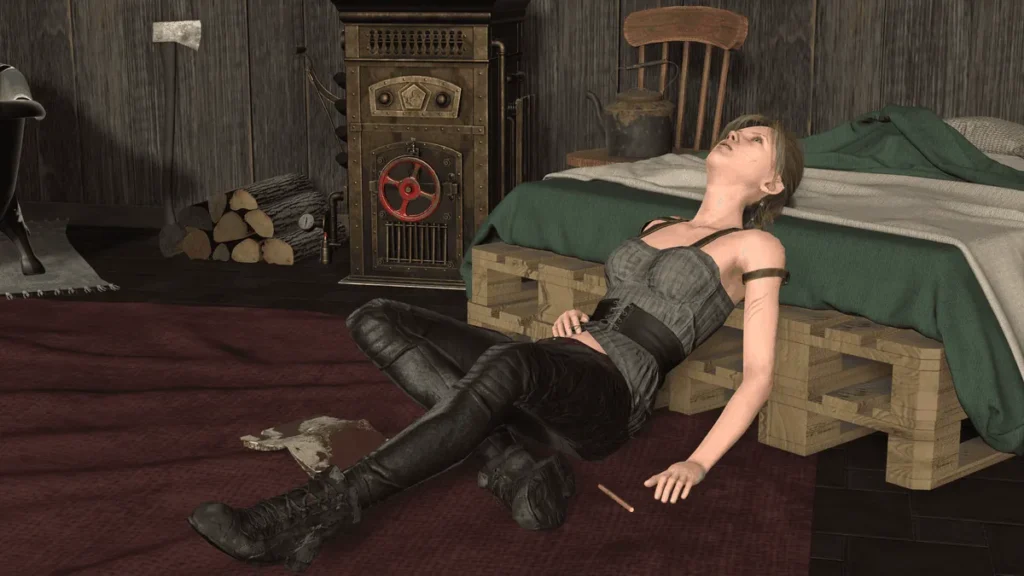
Ah, the cabin survival experience. This isn’t a base you raid for loot and abandon. This is your home. The game makes you feel every splintered floorboard and drafty window. 🪵 ❄️
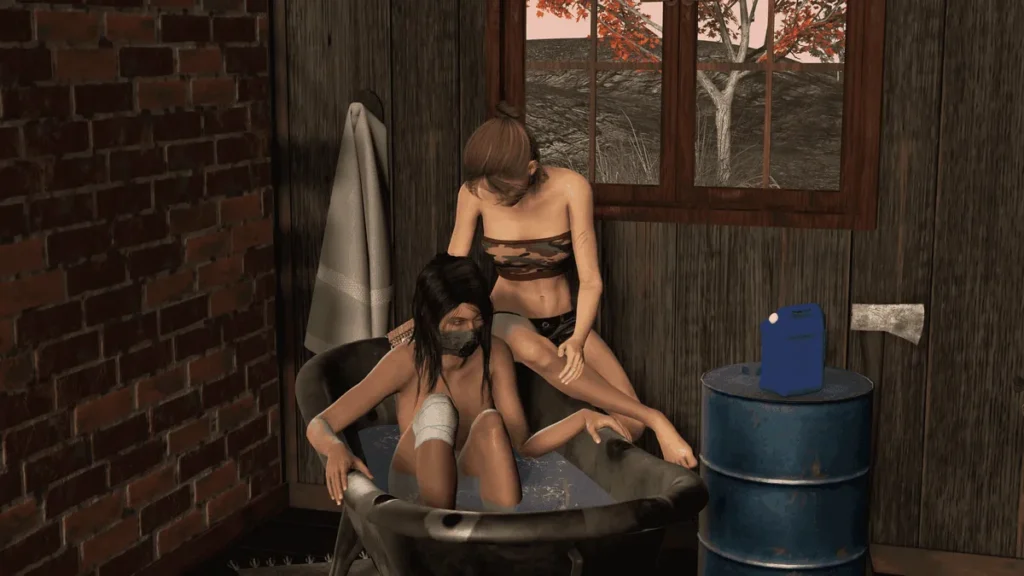
Your cabin starts as a bleak shelter but evolves into a shared space. You’ll fix the roof, build a better workbench, and maybe even plant a small, protected garden. But now, you’re doing it with a silent observer. You might see your companion standing by the window, looking at the moon, or awkwardly sitting in a chair you’ve repaired. These quiet moments are what define the cabin survival experience. It’s no longer just about securing water and ammo; it’s about creating a semblance of normalcy for two very different souls.
The daily grind is punctuated by this unique relationship. A typical day might involve:
* Morning Security Check: You patrol the perimeter. Your companion might point towards a disturbed area you missed.
* Resource Run: Venturing into the abandoned ranger station. Do you go alone and speed, or bring your companion and risk their safety for their uncanny ability to find hidden caches?
* Evening Ritual: The most powerful time. Sharing food by the firelight, you might play a fragment of an old music tape. Watch your companion. Sometimes, they’ll seem almost… peaceful.
This emotional core is what elevates Teen Zombie in Your Cabin above other survival titles. The zombie apocalypse narrative isn’t about finding a cure or reaching a safe zone; it’s about finding meaning in the ruins. It’s about choosing compassion in a world that rewards cruelty. Your cabin survival experience becomes a metaphor for the tiny, fragile pockets of hope that can persist after the end.
Ultimately, mastering this game isn’t about having the biggest gun; it’s about understanding the story you’re living. It’s about listening to the silence, interpreting the grunts and gestures of your young zombie character, and defending the first real connection you’ve had in three years. That’s the true post-apocalyptic survival game challenge—and it’s one that will stick with you long after you’ve put down the controller. ✨
Teen Zombie in Your Cabin offers a compelling blend of survival, storytelling, and interactive gameplay that challenges players to nurture a unique companion in a harsh world. By understanding the story, mastering resource management, and making thoughtful choices, you can fully enjoy the depth and emotional impact of this game. Dive into this post-apocalyptic adventure and discover how your decisions shape your future in the cabin.